Crown reduction in Muswell Hill
If you are looking for crown reduction in Muswell Hill, you are probably dealing with a tree that has become too large for its setting, too close to a building, or simply too heavy at the top. In a place like Muswell Hill, where leafy residential streets, established gardens, and mixed commercial properties sit side by side, trees often need careful, expert management rather than removal. A well-planned crown reduction can help restore balance, improve light, reduce wind resistance, and make a tree more practical for everyday use without taking away the character that made it worth keeping in the first place.
For many local customers, the need is straightforward: branches are shading out a garden, touching a roofline, crowding a driveway, interfering with neighbours, or making the tree feel unsafe in strong weather. Others want a tree to stay healthy but fit the space better, especially in streets where houses are close together and access can be tight. Whatever the reason, crown reduction is a skilled tree surgery service that needs a thoughtful approach, especially when the tree is part of a mature local landscape.
Our aim here is to explain what the service involves, when it makes sense, what you can expect on the day, and why a local tree surgeon familiar with Muswell Hill can make the whole process smoother. If you are considering tree work for a home, rental property, managed garden, shopfront, office, school, or community site, this page is designed to help you make a confident decision. Contact us today to discuss the work you have in mind or request a free quote when you are ready to move forward.
What crown reduction means and why it is used

Crown reduction is the careful shortening of a tree’s overall crown by reducing selected branches back to suitable growth points. It is not the same as topping, which is a poor practice that can damage the tree’s structure and leave it vulnerable to disease or weak regrowth. A proper reduction is planned with the tree’s species, shape, age, and condition in mind so that the result looks natural and remains structurally sound.
In practical terms, crown reduction can help when a tree has outgrown a small garden, is becoming dominant over a property, or is creating pressure on nearby structures. It is often requested for trees near houses, boundary lines, pathways, parking areas, and communal outdoor spaces. In Muswell Hill, where established trees are a major part of the local character, the goal is often to manage size while preserving the tree wherever possible.
Different trees respond in different ways, so the amount of reduction and the style of pruning should always be determined by the tree itself rather than by a one-size-fits-all rule. A careful tree surgeon will look at the crown density, branch angles, visible defects, recent growth patterns, and the likely future response before recommending the best method. That kind of judgement matters if you want a result that is both neat and beneficial.
When Muswell Hill property owners ask for crown reduction

Local customers ask for crown reduction for a wide range of reasons, and many of them are tied to the way properties in Muswell Hill are laid out. Mature front gardens, side returns, narrow access paths, and trees close to boundary fences can quickly make a crown feel oversized. Overhanging branches may also become a practical issue for neighbours, parked cars, or regular foot traffic.
Another common reason is light. A tree that once looked balanced can gradually become too dense for a small garden, blocking sunlight from patios, lawns, conservatories, or upper windows. In some homes, the problem is not just shade but also the visual bulk of the crown, which can make a relatively small outdoor space feel enclosed. A reduction can open things up without losing the value of the tree completely.
Commercial customers also use crown reduction to improve clearance and reduce ongoing maintenance problems. For example, branches may interfere with signage, shopfront visibility, customer entrances, private parking, service yards, or access routes. Schools, housing managers, and care settings may also need trees brought back into proportion so that grounds remain usable and safe. Book your service now if a tree is starting to affect how you use your space.
How the service works from start to finish

A professional crown reduction usually begins with a site assessment. This is where the tree surgeon reviews the tree’s species, height, spread, condition, and surroundings. In Muswell Hill, this often includes checking how close the tree is to houses, neighbours’ gardens, fences, parking bays, overhead lines, sheds, garages, and narrow access points. The assessment helps define what level of reduction is suitable and what equipment will be needed.
Once the work is agreed, the team plans the pruning strategy. The aim is to reduce the crown evenly while keeping the tree’s natural shape as much as possible. Rather than making blunt cuts or removing large sections indiscriminately, the work should be done with branch structure in mind. This helps maintain balance and encourages healthy regrowth rather than awkward, weak shoots.
On the day, the team will usually protect the work area, carry out the pruning, and clear away the arisings. Depending on the size and location of the tree, this may involve climbing, rigging, or the use of specialist equipment to lower branches safely. When the site is tight, parking and access can become part of the planning, especially in residential streets where there may be limited room for vehicles and chipper placement. A local crew accustomed to the area can save time and reduce disruption.
What is included in a professional crown reduction
If you are comparing tree surgery services, it helps to know what should be included in a well-run job. A proper crown reduction is more than just cutting back branches; it is a managed process intended to improve the tree’s relationship with its surroundings while supporting long-term health.
Typical elements of the service may include:
- Assessment of the tree and surrounding area
- Advice on whether reduction is suitable or whether another approach is better
- Selective shortening of branches to appropriate growth points
- Attention to balance, shape, and future regrowth
- Removal of dead, damaged, or conflicting growth where appropriate
- Safe lowering and handling of cut material
- Clearing and tidy-up of the work area after completion
Some jobs also benefit from additional tree care, such as deadwood removal, light thinning, or minor corrective pruning, depending on the tree’s condition and the customer’s goals. However, these should only be done if they genuinely support the tree and the site. A sensible arborist will explain what is necessary and what is not, rather than recommending more work than needed.
What the result should look like
A successful reduction should not leave the tree looking hacked back or lopsided. The crown should appear more manageable, but still natural. There should usually be no obvious “stubs” left behind, and the canopy should remain appropriately balanced around the main framework. The best results tend to be the ones that are noticeable in terms of space and light, yet still sympathetic to the tree’s form.
Why local knowledge matters in Muswell Hill
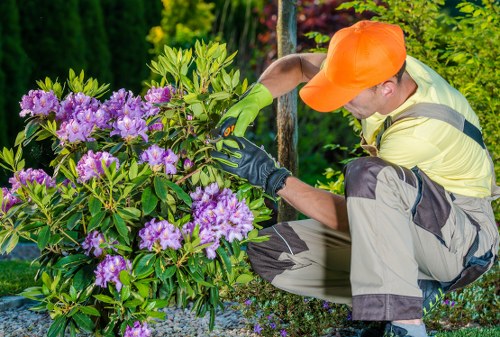
There is real value in using a local company for crown reduction in Muswell Hill. A nearby team is more likely to understand the layout of local streets, the typical access conditions, and the kinds of trees commonly found in gardens and shared spaces around the area. That practical awareness can make planning easier and reduce the likelihood of delays on the day.
Local knowledge also matters when a tree is close to a boundary, neighbouring property, or communal route. Mature gardens often have a mix of established trees, hedges, sheds, and paved areas, which means work has to be carried out carefully to avoid unnecessary disturbance. In some parts of Muswell Hill, parking can be limited and access may require a compact setup, a considerate schedule, or manual handling of materials through tighter spaces.
For commercial sites, being local can also help with repeat visits and seasonal maintenance. If your tree needs ongoing management rather than one-off treatment, having a team nearby makes it easier to arrange follow-up work when required. It can also be helpful when you need a prompt inspection after windy weather, or when a tree that was previously reduced is due for review.
Who benefits most from this service?
Homeowners often want more light, better garden space, or reduced overhang near roofs and fences. Landlords and letting agents may need tree work to keep outdoor areas neat and practical for tenants. Businesses and property managers may need improved clearance, safety, and presentation around entrances or parking. Schools, care settings, and community premises may need sensible reductions to make grounds more usable while retaining mature trees.
Common signs that your tree may need crown reduction

It is not always obvious when a tree should be reduced rather than left alone. Some trees cope well with size and shape changes, while others are better managed with lighter pruning or alternative tree care. The signs below can help you decide whether it is time to ask for an assessment.
- Branches are touching or nearing the roof, guttering, or walls
- The tree is blocking too much natural light
- Heavy limbs feel unbalanced or too dominant
- There is repeated conflict with neighbouring property or boundaries
- The crown creates too much wind resistance in open areas
- Branches are interfering with walkways, driveways, or parking spaces
- The tree looks overgrown for the size of the garden or plot
- There are concerns about the tree’s appearance after recent growth spurts
Some signs are also seasonal. Trees can look manageable in winter and suddenly seem far too large in summer when fully in leaf. In Muswell Hill, where gardens are often used heavily during warmer months, a tree that casts too much shade or drops debris over seating areas can become a real nuisance. A reduction may restore the balance you need without removing the tree altogether.
How crown reduction supports tree health and site safety
A carefully executed crown reduction can improve a tree’s relationship with its surroundings while also supporting the tree’s own condition. By removing excess weight from the outer canopy, the load on branches can be reduced, which may help the tree stand better in windy conditions. This is especially relevant in more exposed positions or where the crown has become top-heavy over time.
At the same time, reducing conflict with nearby structures can help prevent repeated contact with roofs, walls, fences, and glazing. Regular rubbing or pressure from branches can cause avoidable wear and damage over time. By managing the crown more effectively, you reduce those points of friction and make routine upkeep simpler for the property owner.
It is important to note, however, that a reduction must be done properly to avoid stressing the tree. Cutting too much at once can lead to weak regrowth, excessive sprouting, or a loss of natural shape. That is why the amount of reduction should be tailored to the tree and the site. Contact us today if you want advice on the right approach for your specific tree.
Pricing factors to consider
Every crown reduction project is different, so the cost depends on a number of practical factors rather than a fixed formula. Customers in Muswell Hill often want to know what influences the quote, and it is helpful to understand the main points before requesting work.
Factors that may affect the price include:
- Tree size and species — larger trees or certain species can take more time and skill
- Access — tight gardens, restricted parking, or awkward rear access can affect the setup
- Location — trees close to buildings, roads, or neighbours may need more careful handling
- Condition — damaged, diseased, or poorly structured trees may need additional assessment
- Amount of material — more pruning means more handling, processing, and disposal
- Additional work — deadwood removal, clearance, or related pruning may be discussed if needed
Because of these variables, an in-person assessment is usually the best way to receive an accurate quote. If you are comparing options, ask what is included, how the team will access the site, and whether clearance of waste is part of the service. A clear, realistic quote makes it easier to plan your budget and avoid surprises.
How to prepare for a quote
Before asking for a quote, it helps to think about the outcome you want. Are you mainly after more light, less overhang, improved appearance, better clearance, or a general size reduction? Knowing your priorities allows the tree surgeon to suggest an appropriate level of work. If the tree is shared with a neighbour or is near a boundary, it is also sensible to consider whether any permissions or conversations may be needed first.
Preparation checklist before the team arrives
Good preparation helps the work run smoothly and reduces disruption to your day. In many Muswell Hill properties, access is manageable but space is limited, so a little planning can make a noticeable difference. Here is a simple checklist to consider before your appointment.
- Remove any fragile items from the area beneath or near the tree
- Move vehicles if branches or equipment may affect parking spaces
- Let neighbours know if access or overhang may briefly affect them
- Unlock side gates or other access points if needed
- Keep children and pets away from the work zone on the day
- Identify any garden features you want protected, such as ornaments or planters
- Share any known issues with the tree, such as dead branches or previous damage
If the tree is in a commercial setting, it may also help to arrange the work around quieter hours or to notify staff in advance. For communal properties, ensure the relevant manager or committee understands the planned work so that access and timing are clear. The smoother the preparation, the easier it is for the crew to work safely and efficiently.
Areas covered around Muswell Hill
Local tree work is often about flexibility as much as expertise. Customers looking for crown reduction in Muswell Hill may also need services in nearby streets and surrounding parts of North London where similar property layouts and mature trees create comparable needs. The exact service area can vary, but local teams are often called to nearby residential roads, mixed-use areas, and commercial premises within the wider local neighbourhood.
Typical nearby locations and settings may include:
- Residential streets with mature front and rear gardens
- Boundary trees between neighbouring homes
- Private driveways and access lanes
- Shared gardens and managed courtyards
- Local businesses, offices, and retail properties
- Schools, nurseries, and community sites
- Rental properties and blocks with landscaped grounds
If your tree is in a spot that is awkward to reach or needs careful handling around neighbouring property, a local team can usually adapt more easily than a crew coming from further away. That can make a real difference when the work needs to be done neatly, quietly, and with minimal disruption.
Why choose a professional instead of trying to reduce the crown yourself
Tree work can look simple from the ground, but crown reduction involves judgement, balance, and safe working methods that are not easy to replicate without training and equipment. One of the biggest risks of DIY pruning is removing the wrong branches or cutting too much from the canopy, which can affect the tree’s future growth and structural integrity.
There are also obvious safety concerns. Working at height, handling falling timber, and managing tools around roofs, fences, glass, and neighbouring gardens requires a level of control that most property owners do not have. In compact Muswell Hill gardens, the margin for error can be especially small.
A professional tree surgeon should know how to assess the tree, plan the work, and leave it in a better condition than before. That includes understanding where to cut, how much to remove, and how to keep the tree looking natural. It also includes clearing up properly so that your garden, path, or forecourt is usable again once the work is done.
Signs you should avoid delaying the work
Some trees can wait for seasonal maintenance, but others need attention sooner rather than later. If branches are already causing property damage, blocking essential light, or creating clear access problems, it is wise to arrange an inspection. Waiting too long can make the job more complex and may mean the tree becomes harder to manage in a sympathetic way.
Frequently asked questions
How often does a tree need crown reduction?
It depends on the species, growth rate, location, and how hard the tree has been reduced in the past. Some trees may need attention every few years, while others may only need occasional management. A local assessment will give you a better idea of the likely maintenance cycle.
Will the tree look natural after the reduction?
When done correctly, yes. The aim is to retain the tree’s natural outline while making it smaller and more manageable. Good crown reduction should not leave the tree looking harsh or overcut.
Is crown reduction the same as thinning?
No. Thinning usually focuses on removing selected branches through the crown to reduce density, while reduction aims to shorten the overall size of the crown. In some cases, the two can be combined if the tree and site would benefit.
Can all trees be reduced?
Not every tree is suited to the same level of reduction. Some species tolerate it better than others, and the tree’s health and structure matter a great deal. A professional will tell you if reduction is appropriate or if another type of pruning would be safer and more effective.
Do I need to arrange anything with neighbours?
If branches cross a boundary or the work may affect neighbouring property, it is often sensible to speak with neighbours in advance. This can avoid confusion and make access easier, especially where gardens are tightly arranged or where cut material may need to be moved through shared spaces.
What happens to the branches and waste?
In most cases, the material removed during the work is collected, processed, and taken away as part of the service. If you would like logs or woodchips left on site for your own use, that can sometimes be discussed beforehand, depending on the tree and the volume of material.
Ready to improve the shape, safety, and usability of your tree?
If a tree in your garden, driveway, or commercial space is beginning to feel too large for its surroundings, crown reduction may be the right answer. It can create more light, reduce conflict with buildings and boundaries, and help a valuable tree remain part of the property for longer. For many Muswell Hill customers, the best outcome is not removal, but sensible management that keeps the tree attractive and practical.
Whether you are dealing with a single mature tree or a group of trees that now need attention, a local arborist can assess the situation and recommend the right level of work. If you are unsure whether reduction is the best option, an inspection can clarify the choices and help you plan the next step with confidence. Request a free quote or contact us today to discuss crown reduction in Muswell Hill and arrange a convenient time for an assessment.
Helpful reminder for local customers
Good tree care is about more than shortening branches. It is about protecting the health of the tree, making your property easier to use, and keeping the overall setting tidy and balanced. If that is what you need, a professional crown reduction service can make a real difference.